
Science tells us why people click.
I write the words that make them do it.
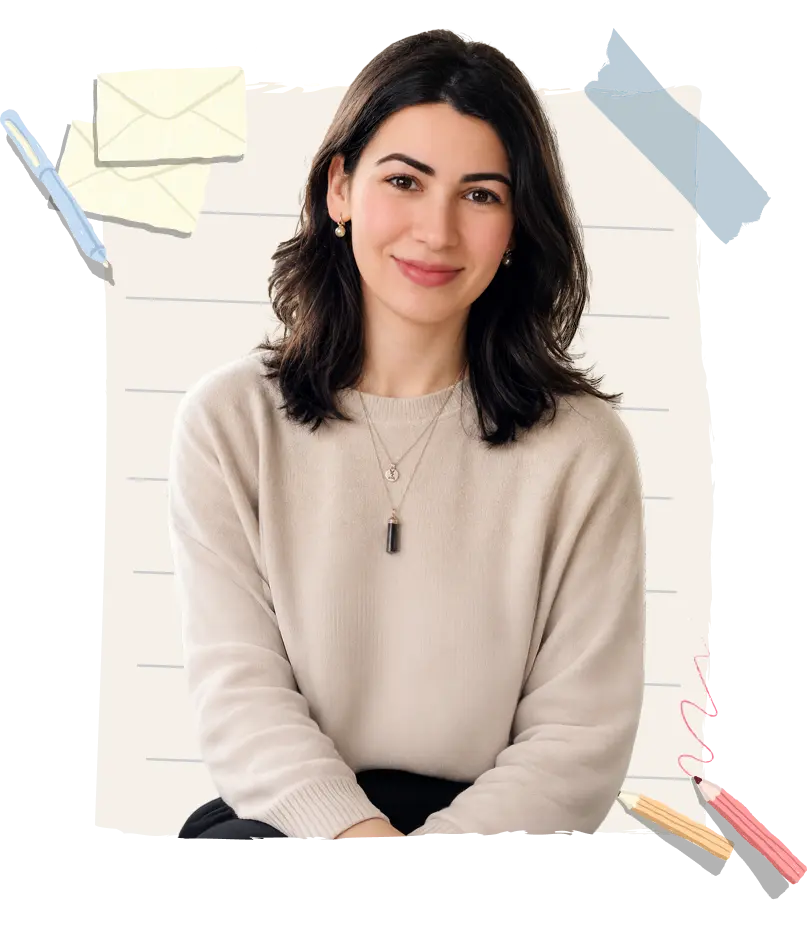
Your audience is stressed, distracted, has several tabs open and, let's be honest, they're tired of AI slop. As a science & medical copywriter, I use my background in cognitive neuroscience and cyberpsychology to write copy that connects with people.
Who am I perfect for? You. Just kidding... or not. I work with health, science, and psychology brands that have something worth saying — and want real humans to get their message.

Trusted By



The brain drama expert
Most health & science communication brands have the same problem:
They forget there’s a human at the other end.
A human with limited attention. A working memory that can only juggle so much information. Expectations, biases and previous experiences. And, possibly, seventeen other tabs open.
I use what we know about attention, memory, cognitive load, decision-making and digital behaviour to inform how I structure my copy.
No neuro-hacks or magic “buy button” in the brain. Neuroscience cannot predict exactly what your customer will do.
Just good copy, informed by good science.
And when I’m not writing it, I’m usually fighting the opposite: pseudo-neuroscience and pop psychology dressed up as evidence.
I believe healthcare and science communication can be scientifically rigorous, commercially effective and enjoyable to read.
I’m based in Ireland and work remotely with mental health apps, neurotech companies, health coaches, and personal brands.
Why hire a science & medical copywriter?
Built for attention
Science information competes with everything else on your reader's screen. I structure your message so they can quickly see what matters, understand it, and keep reading.
Less cognitive friction
Dense science doesn't need to become shallow to be readable. I make your complex clinical and scientific information easier to process without stripping away the details.
Science that survives the copy
Persuasion should never come at the expense of accuracy. I trace claims back to the evidence and write within what the science can support.
Written for action
A landing page, patient resource, and scientific feature have different jobs. I write for the audience, the context and the outcome you need the communication support.
Services
You don’t need neuroscience sprinkled over ordinary copy. You need someone who understands the science well enough to know what matters and the copywriting skills to make other people are.
You need someone who understands the science, the message, and the mind receiving it.
Science & Medical Copywriting
You've got something worth saying, so let's make people care! You know your science. You know your work can help people. I write health and science copy for people doing interesting things in healthcare, neurotech and beyond. Whether you're building an app, developing a product, helping people improve their health or building a personal brand around your expertise, I'll help you find the words to explain what you do and why it matters.
Behavioural UX & HealthTech Copy
Your user isn't a conversion metric. They're a person with somewhere else to be. I use cognitive neuroscience and behavioural science to improve HealthTech websites, onboarding, UX copy and digital health content. I look for the places where users get confused, overwhelmed or lose trust, then fix the copy.
You don’t have to take my word for it…
It was a great opportunity to tap into Laura's expertise as a neuroscientist and science writer and work together to turn complex neuroscience into engaging, accessible content for a broad audience. She brought real enthusiasm, was incredibly quick to develop content and very open to feedback and ideas throughout.
Her background in neuroscience helped ensure our articles represented scientific concepts accurately and responsibly, while her editorial feedback made the writing clearer and more accessible. She has a sharp eye for detail, communicates well, and knows how to move forward.
From the start, she brought valuable industry knowledge and thoughtful, timely contributions. What stood out just as much as her expertise was her genuine investment in what we're building. We look forward to a long and fruitful relationship as Smart Fuel continues to grow.
Case Studies
The FutureNeuro Integration
August 2026
The Client
FutureNeuro needed to explain precision medicine, brain tissue research and ALS biomarkers to a broad audience without losing the science.
What I Did
I researched and wrote a digital series translating complex neuroscience and clinical research into accessible public-facing stories.
The Result
A national digital narrative series: “Research Explained: From Discovery to Patient Impact” covering precision medicine, the importance of brain tissue in MS research, and biomarkers in ALS.
Mindwell World Clinical Audit
Ongoing
The Client
What I Did
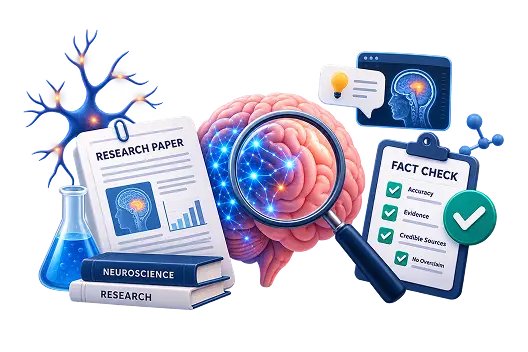
Combating online skepticism, misinformation fatigue, and cognitive processing barriers by stripping away wellness pseudo-science and replacing it with transparent, evidence-based text.
The Result
The Psychology Today Milestone
Ongoing
The Challenge
Make evidence-based mental health and psychology worth reading.
What I Did
Created and wrote Cell on the Self, translating psychological research into engaging stories.
The Result
Generated 100,000+ organic views in the first month, without paid promotion.
SBC Medical Accuracy Audit
August 2026
The Client
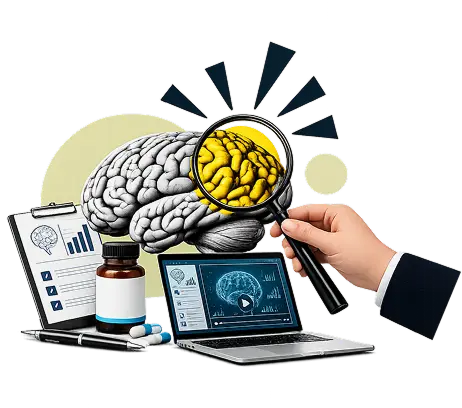
Review a pharmaceutical communications package for scientific and clinical accuracy.
What I Did
The Result
Delivered an end-to-end clinical accuracy review and copy structure that preserved the medical integrity the materials.
Health & Science Writing
Science communication for people who want to understand the science, not just skim it.
The Science of Storytelling: A Review of Cognitive Research on Narrative Learning
Can You Trust the Mental Health Advice You’re Reading?
Free Resource
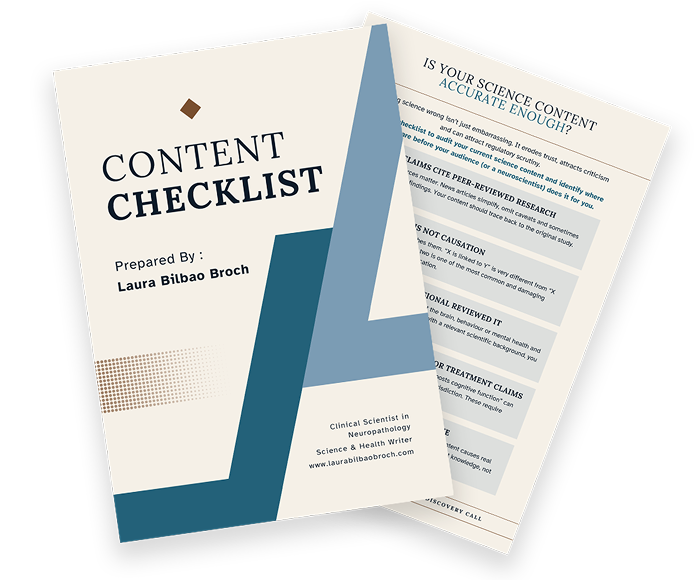
Is Your Science Content Accurate Enough?
Stop guessing if your health tech startup or digital media platform is publishing sound data. Download this sharp, zero-fluff Scientific Integrity Checklist to audit your content pipeline in seconds. It breaks down the exact 5 red flags that can undermine the credibility of health and science content, and what to check before you publish.
Don’t let a simple scientific misstep cost you your audience’s trust or your search engine rankings.
LINKEDIN NEWSLETTER
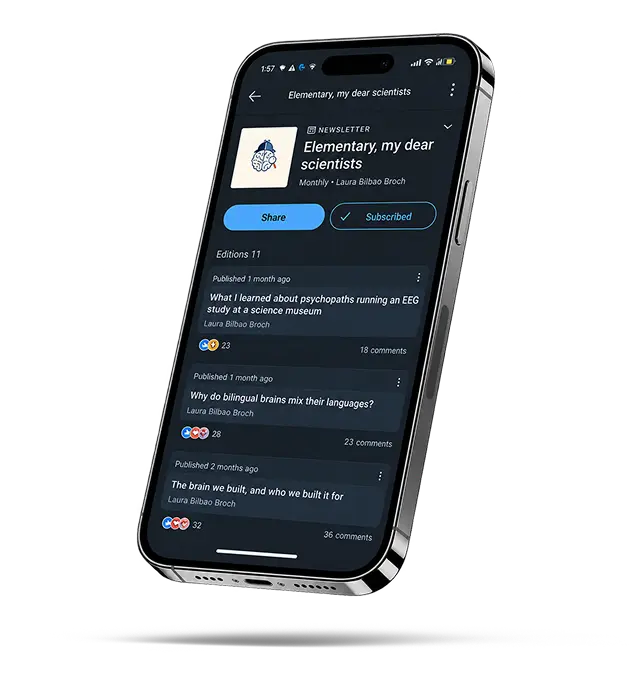
Elementary, My Dear Scientists
Science rarely takes the straight road. Neither did I.
Elementary, My Dear Scientists is my little internet corner, my hide out, for the science, stories and occasional career plot twists that don’t fit neatly into a box. Expect neuroscience and psychology, behavioural science, science communication, curious research, and what happens when all of that escapes the lab and meets messy humans.
Come for the brain science. Stay for the plot twists.

Everything you need to know about working together.
What makes you different from other copywriters?
Where are you based, and do you work with international clients?
I am based in Ireland, and can work with any international and remote-first clients. For local companies, I am also set up to step into remote contracts within the Irish tax framework.
How do you balance persuasion with scientific accuracy?
What kind of clients do you work with?
My creative agency moves fast. What does your onboarding process look like?
Let's Work Together
Ready to make your audience stop, read and care?
Maybe your science copy is technically perfect but forgettable. Maybe your onboarding makes users work harder than they should. Or maybe you have brilliant science and absolutely no idea how to turn it into a message people will remember.
That’s where I come in.
Bring me the research, the brief, or the messy draft. I’ll bring the scientific expertise, the copywriting, and the questions that make the work stronger.
You bring the science. I’ll bring the engagement.
Book a free strategy call or send me your project brief below.